
You already own a bottle of sunscreen. It’s probably sitting in your bathroom cabinet right now, half-used. Maybe it’s a brand you grabbed off the shelf without thinking too hard about it. That’s the real gap here: not whether you own sunscreen, but whether you actually know how to apply SPF correctly.
But here’s what I hear all the time, and it might be exactly where you are, too. “I wear sunscreen, so I don’t understand why I still got sun spots this summer.” Or “I put it on every morning, so why does my skin still feel like it took a beating by August?”
Real talk: owning sunscreen and knowing how to apply SPF correctly are two very different things. And almost nobody actually teaches you the second part. You’re just expected to figure it out.
It’s not your fault. Sunscreen bottles tell you to “apply liberally,” which honestly means nothing to most of us. So you dab some on, rub it in fast because you’re already running late, and move on with your day, assuming you’re covered.
Here’s the good news. Getting this right isn’t complicated. It just takes knowing a few specifics that nobody bothered to explain.
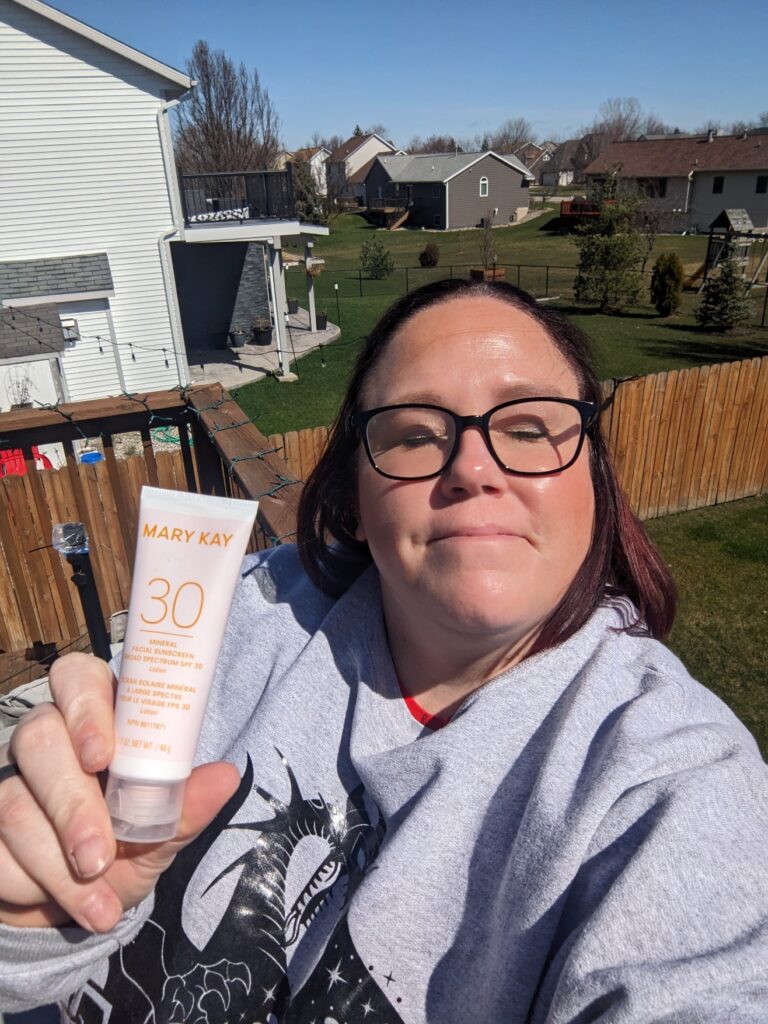
How to Apply SPF Correctly Starts With the Right Formula
Part of how to apply SPF correctly starts before you squeeze the bottle. The American Academy of Dermatology recommends an SPF of 30 or higher, broad-spectrum coverage, and water resistance. Broad spectrum matters because it protects you against both UVA and UVB rays, not just the ones that cause a sunburn. UVA rays are the ones quietly aging your skin in the background, even on a cloudy day.
This is why a lot of women I talk to end up reaching for something like a broad-spectrum SPF 50 sunscreen. Not because higher numbers are magic, but because starting with real coverage means the rest of these steps actually count for something. Applying the right amount of a weak, non-broad-spectrum sunscreen still leaves gaps. Get the formula right first, then everything else below builds on top of it.
Step 1: The Amount Actually Matters
This is the step almost everyone gets wrong, and it makes the biggest difference.
According to the American Academy of Dermatology, most adults need about one full ounce of sunscreen, about the amount that would fill a shot glass, to cover all the skin your clothing doesn’t. For your face alone, that’s about a full teaspoon, roughly the length of your index and middle fingers together.
Most of us use a fraction of that. Which means even a great SPF 50 sunscreen isn’t giving you the protection the number promises, simply because there isn’t enough of it on your skin.
Step 2: The Spots Everyone Forgets
Neck. Ears. The tops of your feet if you’re in sandals. Your hairline if you part your hair. People skip these spots constantly, and they’re exactly where sun damage tends to sneak up on you first.
If you have thinning hair, that scalp needs coverage too, either sunscreen worked into the part or a wide-brimmed hat doing the job instead. And don’t forget your lips. A lip balm with SPF built in covers a spot most of us walk right past every single day.
Step 3: Timing Matters More Than You’d Think
Sunscreen needs a few minutes to actually settle in. Applying it as you’re walking out the door means you’re already in the sun before it’s had a real chance to work. The Academy recommends putting it on before you head outside, giving it a little time to do its job before you need it to.
Step 4: How to Apply SPF Correctly Means Reapplying It Too
This is probably the biggest gap I see, and it’s an easy one to miss.
Most people apply sunscreen once in the morning and consider themselves covered for the whole day. But sunscreen breaks down. It rubs off on towels, washes off in water, and sweats off during an afternoon outside. The real recommendation is reapplying every two hours, and immediately after swimming or heavy sweating. A day at the lake or the pool isn’t a once-and-done situation. It’s a few times over the course of the day.
This is actually where a lot of women tell me it catches them off guard. You did everything right in the morning and still ended up with more color than you wanted by the afternoon, simply because the protection wore off hours before you reapplied.
Step 5: What You Do After the Sun Matters Too
Here’s something almost every sunscreen conversation leaves out. What happens after you’ve been in the sun matters just as much as what you did before.
Your skin is working to recover from heat and UV exposure, even with a great routine. This is where something like an After-Sun Replenishing Gel earns its place. It’s not about undoing damage. It’s about supporting your skin while it recovers, the same way you’d ice a sore muscle after a long walk.
A lot of us treat sunscreen as the whole job and stop there. But your skin is still dealing with the effects of heat, sun, and being outside long after you’ve come inside for the day. Giving it something to help it recover isn’t extra. It’s the part of the routine most people skip entirely, simply because nobody mentions it.
Making It an Actual Habit, Not One More Thing to Remember
None of this works if it feels like homework every morning. The women I talk to who actually stick with sun protection aren’t the ones with the most complicated routine. They’re the ones who built it into something they were already doing.
That might mean keeping your sunscreen right next to your toothbrush so it’s part of the same two minutes. It might mean setting a reminder on your phone for reapplication if you’re going to be outside for a while, at least until it becomes automatic. It might mean asking someone to help with your back at the pool instead of skipping it because you can’t reach.
None of these is a complicated fix. They’re just small decisions that make the right habit easier than the wrong one, which is really the whole philosophy behind any routine that actually lasts.
How to Apply SPF Correctly Without Overcomplicating It
None of this requires an overhaul. You don’t need five new products or an hour-long routine to protect your skin this summer. You need enough of the right sunscreen, applied to the spots that get missed, put on before you head out, and reapplied when it’s actually worn off.
SPF is one piece of the picture — if you want the full summer routine with cleansing and recovery built in too, The Summer Skincare Routine Your Skin Actually Needs walks through all three. That’s it. That’s how to apply SPF correctly, and it’s a lot more doable than most of us have been led to believe.
If you want a personalized recommendation, whether that’s the right SPF for your skin type or help building a summer routine that actually protects you, comment SPF below and I’ll reach out.