
Skin barrier repair is one of those phrases that sounds clinical and a little intimidating, so let’s back up first. If your skin has felt tight, flaky, or randomly reactive to products that used to work fine, that’s usually a barrier problem. Not a “you’re doing something wrong” problem. I see this all the time this time of year. It makes total sense once you understand what’s actually happening underneath.
A lot of women I talk to think they’re suddenly allergic to a product they’ve used for months, when really, their barrier just needs some help. That’s exactly why I wanted to break this down simply, without the clinical language that usually comes with it.

What Skin Barrier Repair Actually Means
Your skin barrier is the outermost layer of your skin. Its whole job is to keep moisture in and irritants out. Think of it like a brick wall. The skin cells are the bricks, and the lipids between them are the mortar holding everything together. When that mortar breaks down, moisture escapes faster than your skin can replace it. Things that shouldn’t get in, like allergens and pollutants, get in more easily too.
That’s why skin barrier repair isn’t about adding more steps to your routine. It’s about giving your skin the specific support it needs to rebuild that wall. Then everything else you’re already doing actually works the way it’s supposed to.
Why Fall Stresses Your Skin’s Barrier
A lot of women I talk to assume their skin barrier only takes a hit in the dead of winter. In reality, fall is often when the real trouble starts. Humidity drops fast once the temperature shifts, and your skin doesn’t get a heads-up. It’s still trying to function like it’s August. Meanwhile, the air around it is suddenly pulling moisture out faster than it can hold on.
Add in hotter showers, indoor heat kicking back on, and wind, and your barrier is working overtime. That’s exactly why so many women notice tightness, flaking, or sudden sensitivity to products they’ve used for months. That’s exactly when skin barrier repair stops being optional and starts being necessary.
A Simple Skin Barrier Repair Routine
You don’t need a ten-step routine to support skin barrier repair. You need a few things done consistently, in the right order.
1. Cleanse gently. Skip anything foaming or stripping right now. A gentle, hydrating cleanser keeps you from undoing your barrier’s work before it even starts.
2. Apply a barrier-focused treatment before your moisturizer. This is the step most women skip. It’s also the one that actually kick-starts skin barrier repair instead of just covering things up. Mary Kay’s Barrier Restore 1:1:3 does exactly that, working while your skin sleeps.
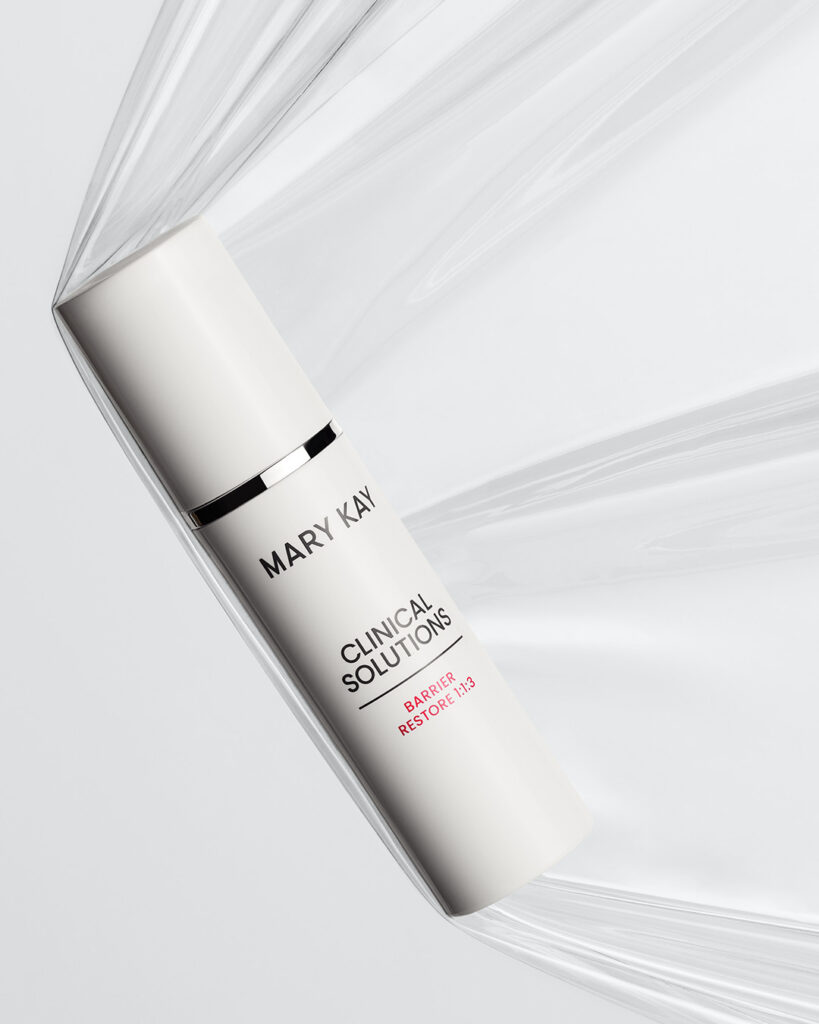
3. Layer in real hydration. A rich, daily moisturizer matters more right now than it did in July. Look for one that locks moisture in rather than just sitting on top of your skin.
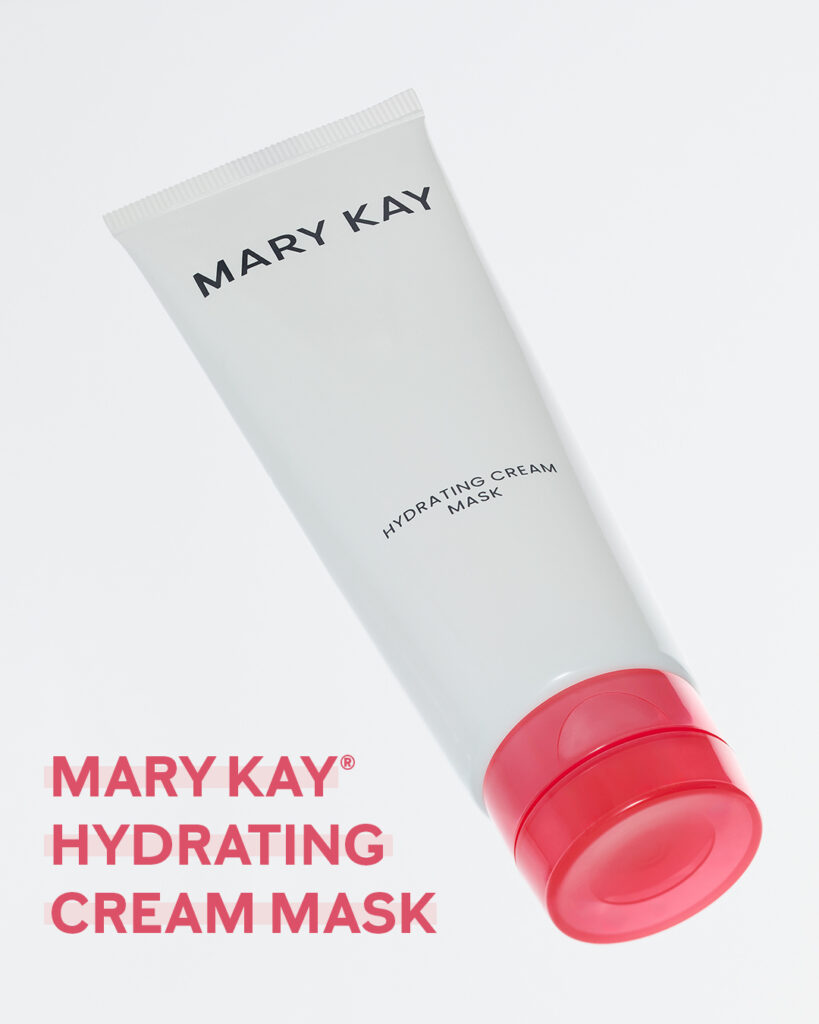
4. Add a treatment mask a couple of times a week. Mary Kay’s Hydrating Cream Mask is a good option here. It gives your skin a deeper, more concentrated dose of moisture than your everyday routine provides.
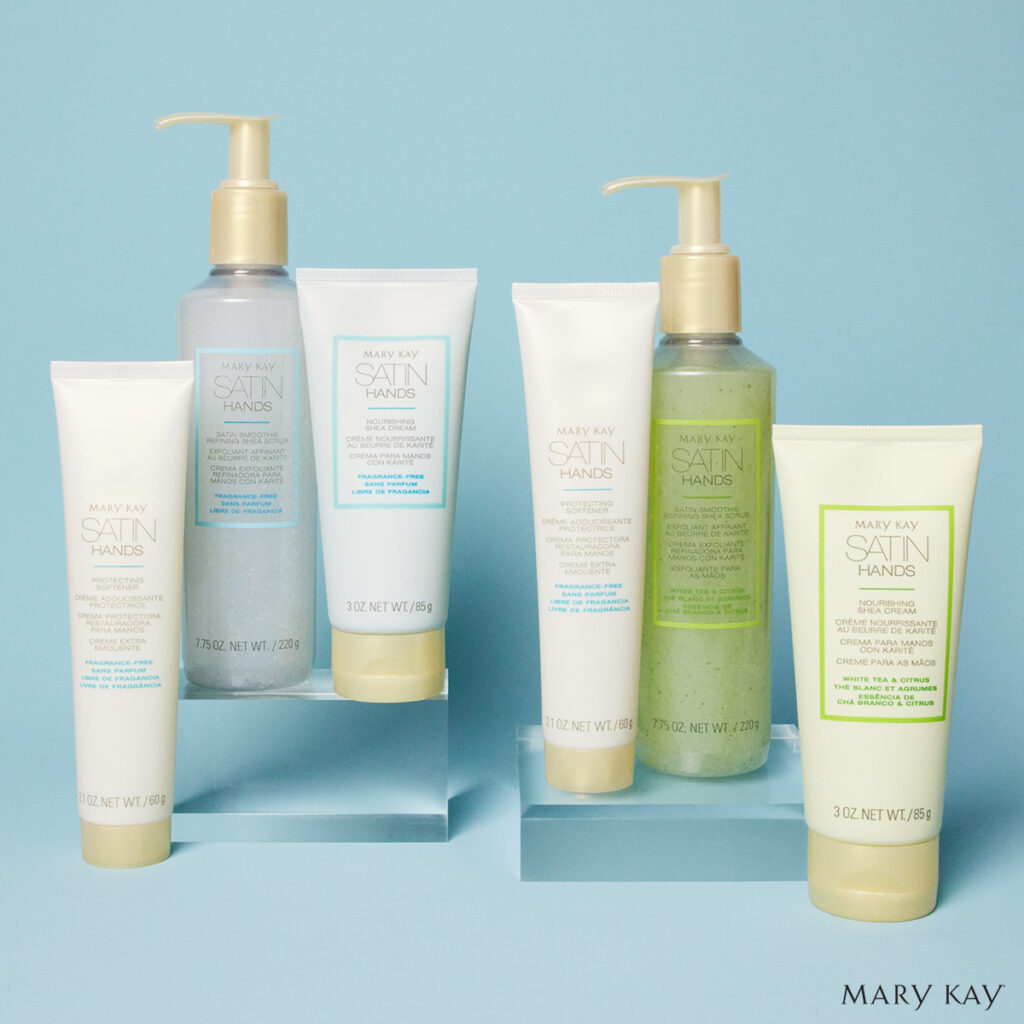
5. Don’t forget your hands. Your hands lose their barrier fast this time of year too, because they’re washed more and moisturized less. Satin Hands Pampering Set is a simple way to close that gap without adding a whole new routine.
None of this has to be complicated. It’s just consistent. Once your barrier is doing its job again, everything else you put on your skin works better.
Products That Support Skin Barrier Repair
I get asked constantly what I actually use when my own skin starts feeling tight or reactive. So here it is, plainly. I reach for the Barrier Restore 1:1:3 first, because it’s doing the real rebuilding work. Then a rich moisturizer on top, and the Hydrating Cream Mask twice a week when things feel especially rough.
That’s genuinely it. Not perfectly, every single day. Just consistently, most days. That’s the whole secret, honestly; there isn’t a bigger one hiding behind it.
When to Get Extra Help
Give this routine a few consistent weeks. If your skin is still tight, flaky, or reacting to everything after that, it’s worth a real conversation with a dermatologist. Trial and error on your own only goes so far.
The American Academy of Dermatology notes that the right moisturizing routine should hydrate skin and help restore its outer layer over time. If that’s not happening for you, something else may be going on underneath, and that’s worth getting checked rather than guessing.
If you caught my Fall Skin Reset post a few weeks back, you already know barrier repair was step one. This is me going deeper on exactly how that step works. It’s the piece that makes everything else in your routine actually stick.
Your skin isn’t being difficult. It’s adjusting, the same way it does every single fall. It just needs a little extra support while it does. Start with one step from this list today, not all five, and build from there.
Want more of this kind of thing landing in your inbox before it hits the blog? Join my VIP list, and I’ll send you seasonal tips like this one first.